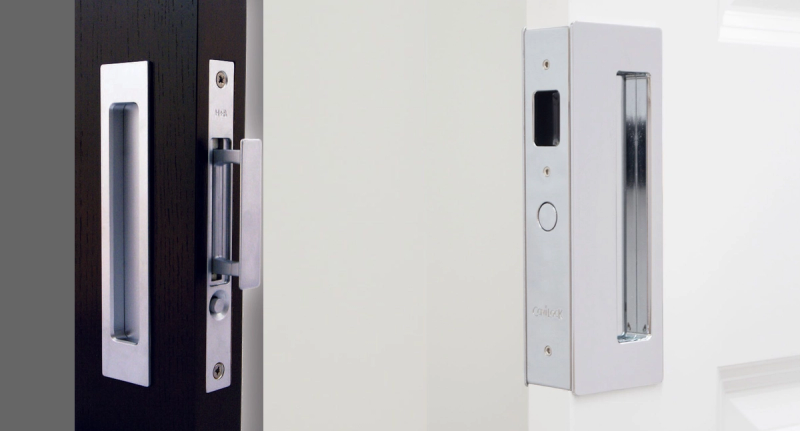
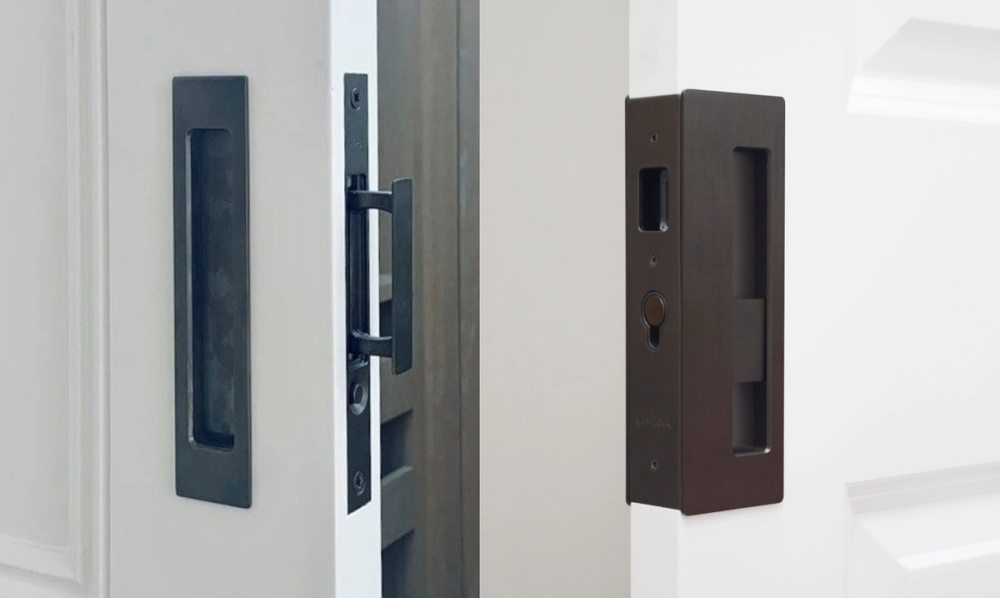
Mortise vs nonmortise hero image

Pocket Door Hardware Explained: Mortise vs. Non-Mortise Systems

Selecting the right pocket door hardware is a critical specification decision for builders, architects, and door hardware professionals. One of the first choices to make is whether to use a mortise pocket door system or a no-mortise (surface-prep) system.

Introduction

Selecting the right pocket door hardware is a critical specification decision for builders, architects, and door hardware professionals. One of the first choices to make is whether to use a mortise pocket door system or a non-mortise (surface-prep) system.

While both options deliver a clean, flush finish and maximize space efficiency, they differ significantly in installation method, door preparation, mechanical function, and design intent. Understanding these differences ensures the hardware aligns with project requirements, installation capabilities, and long-term performance expectations.

This guide compares two widely recognized solutions: the Halliday + Baillie HB620 flush pull (mortise) and the CL400 Magnetic pocket door handle (no-mortise).

What is mortise vs non-mortise?

mortise vs non mortise

The main difference between mortise and no-mortise pocket door hardware is how the hardware is installed into the door.

  • Mortise hardware requires cutting into the door edge and face so components sit fully recessed within the door.
  • No-mortise hardware minimizes cutting, typically requiring only a face cutout and no deep routing into the door edge.

Both systems provide a flush, space-saving solution, but they differ in installation complexity, mechanical operation, and door preparation.

What is mortise pocket door hardware?

Mortise pocket door hardware is installed by removing material from the door so the hardware sits flush within it.

This typically involves:

  • Routing or chiseling into the door edge for latch bodies or edge pulls
  • Cutting recesses into the door face for flush pulls
  • Aligning multiple components precisely

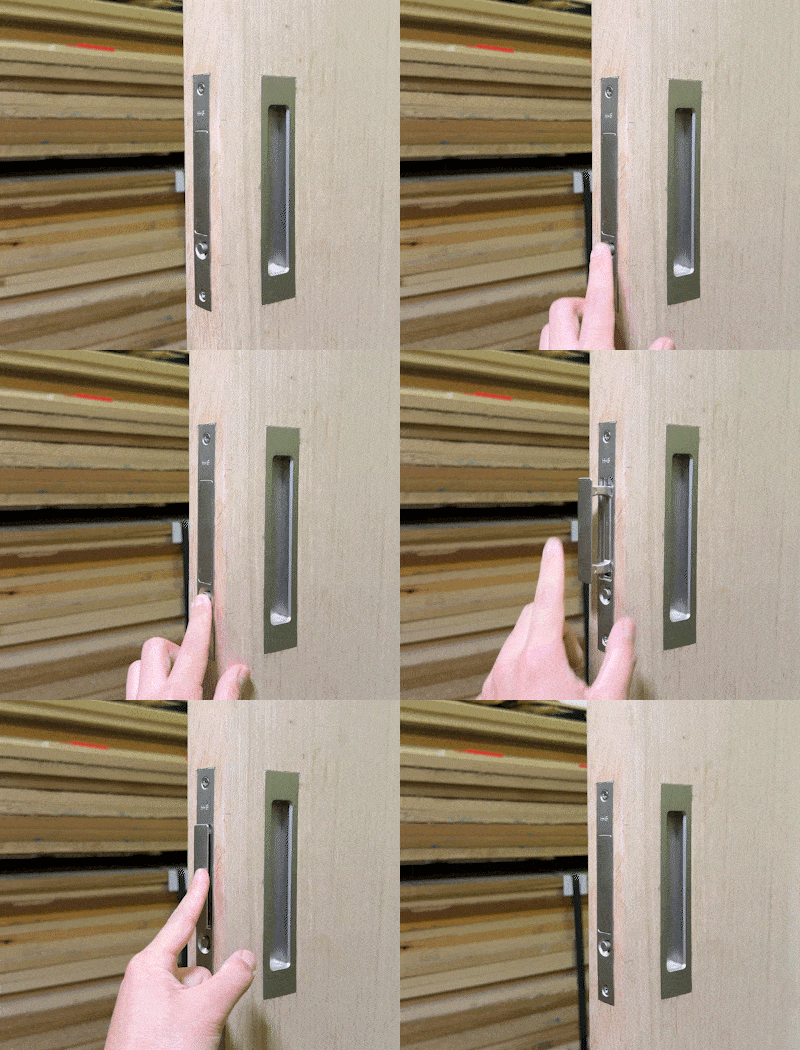
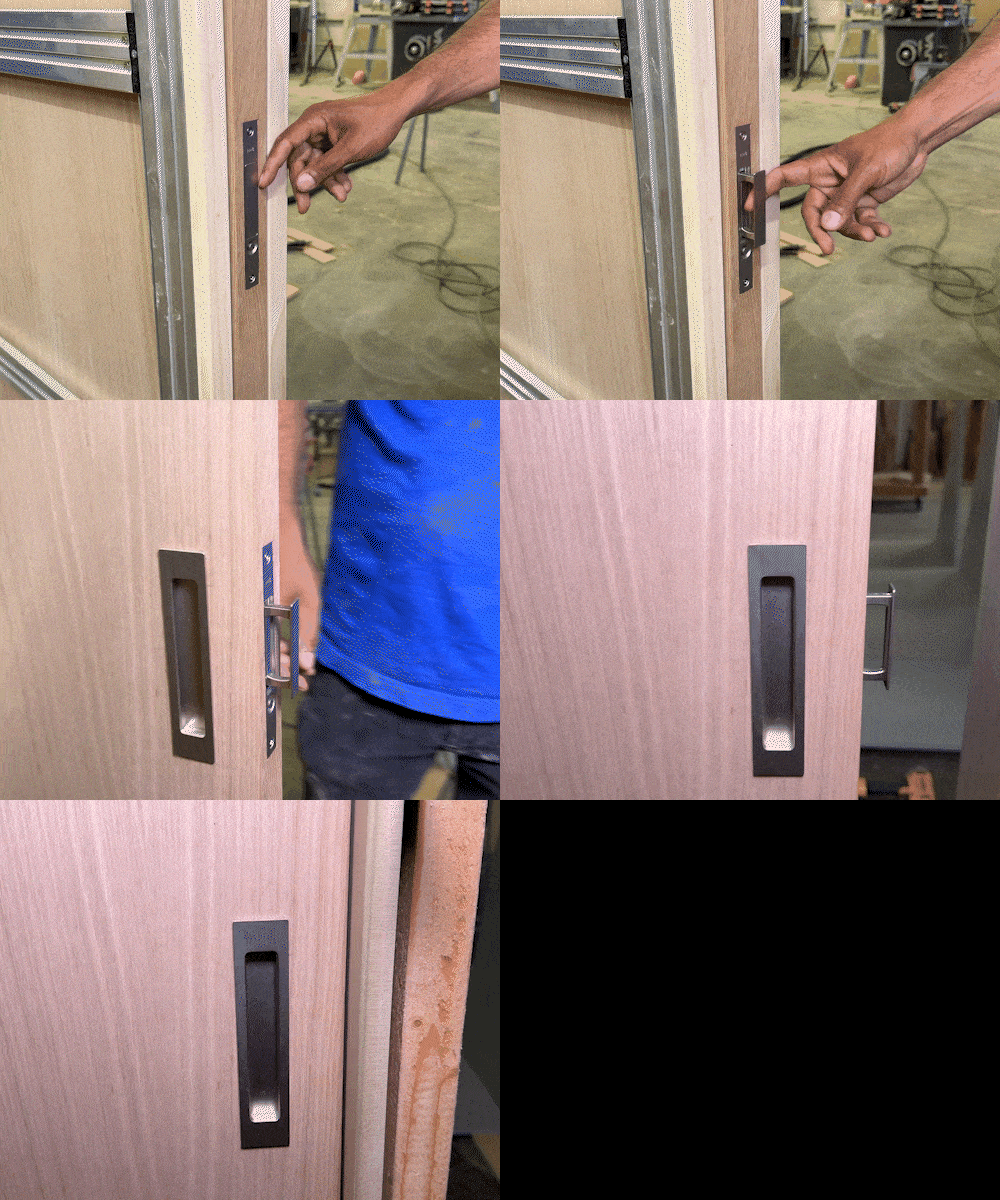
Systems like the Halliday + Baillie HB620 flush pull use embedded edge pulls, allowing the door to be retrieved when fully recessed into the pocket.

Best for: projects requiring traditional latching, detailed millwork, and architectural consistency.
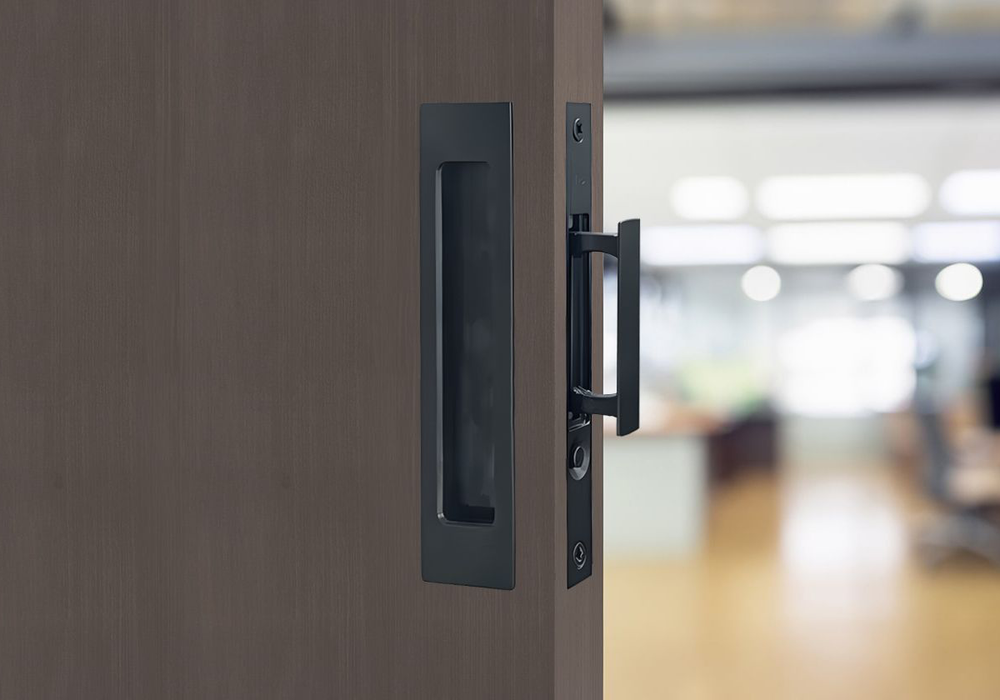
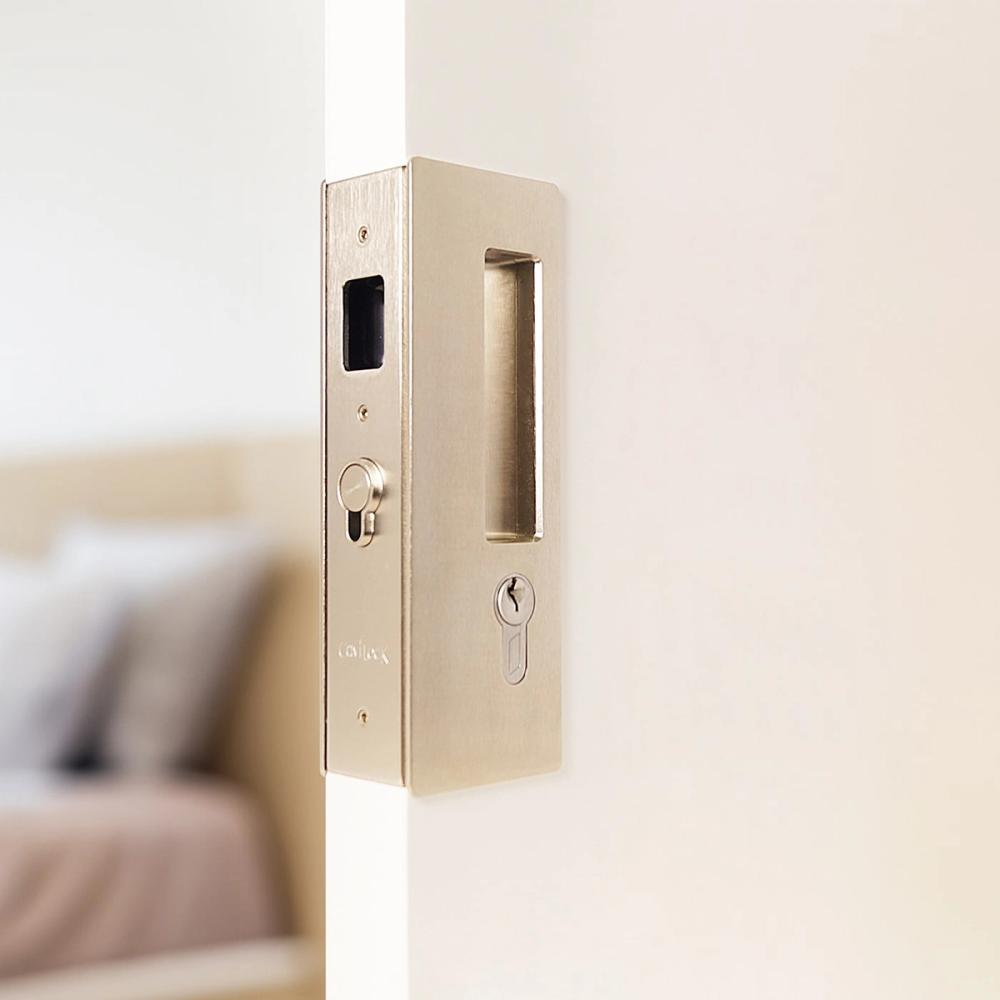
HB620

What is non-mortise pocket door hardware?

No-mortise pocket door hardware reduces or eliminates the need for cutting into the door edge.

Instead, installation typically includes:

  • A simple face cutout using a template
  • No deep routing into the door edge
  • Minimal structural modification

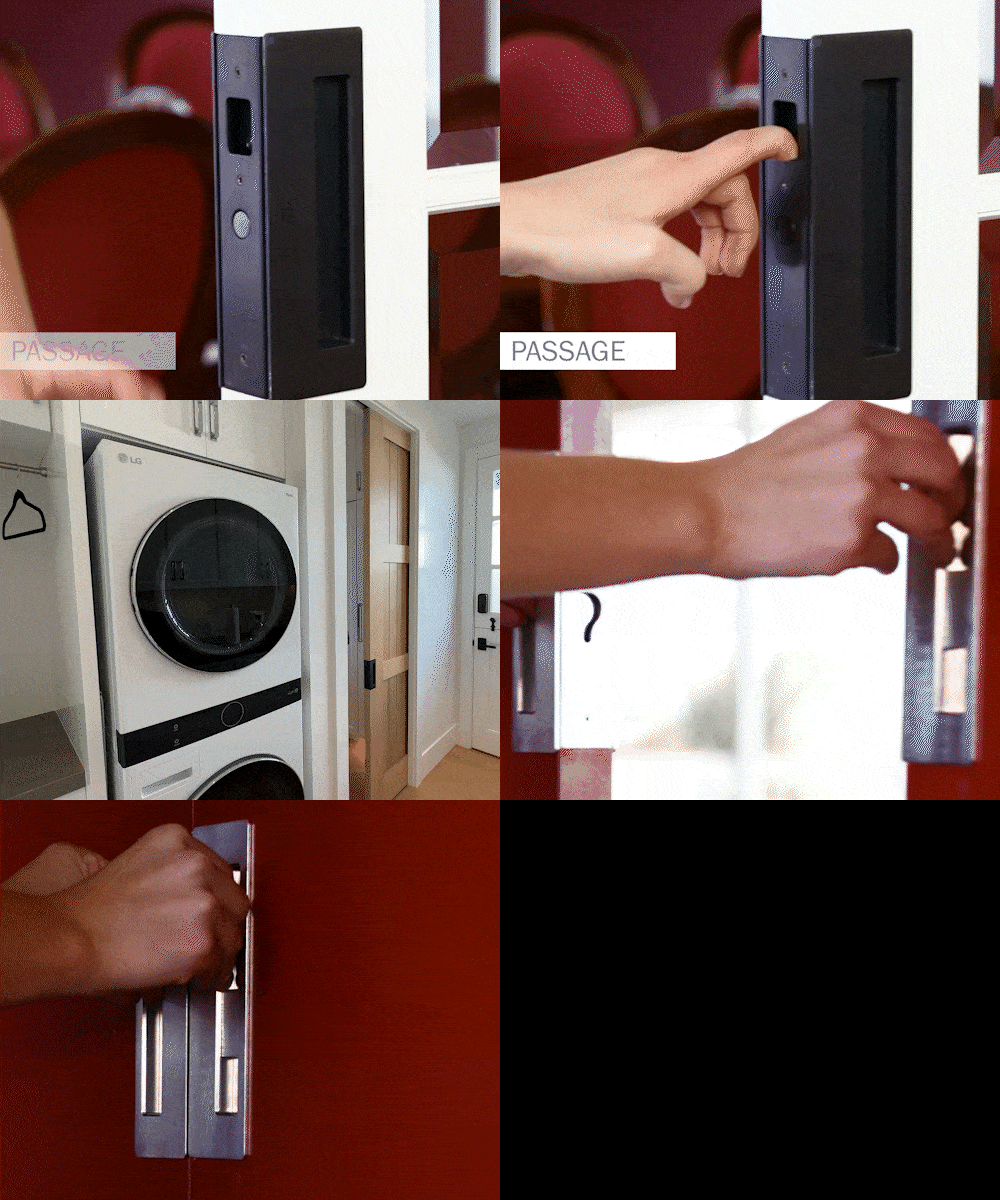
The Cavity Sliders CL400 Magnetic pocket door handle is a leading example, using a magnetic hold-close system instead of a traditional latch.

Best for: projects prioritizing fast installation, reduced labor, and modern design.

non mortise hardware

Which pocket door hardware is easier to install?

No-mortise pocket door hardware is easier and faster to install.

  • Requires fewer tools and less specialized skill
  • Uses templates for consistent cutouts
  • Reduces risk of damaging the door

In contrast, mortise hardware requires precise routing and alignment, making it more labor-intensive and typically suited for experienced installers or shop fabrication.

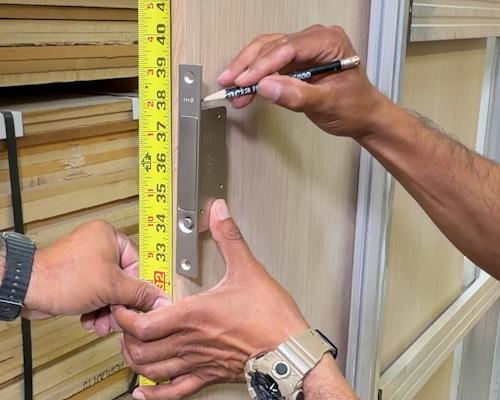
measuring door handle for door

Does pocket door hardware require cutting into the door?

Yes, but the extent depends on the system:

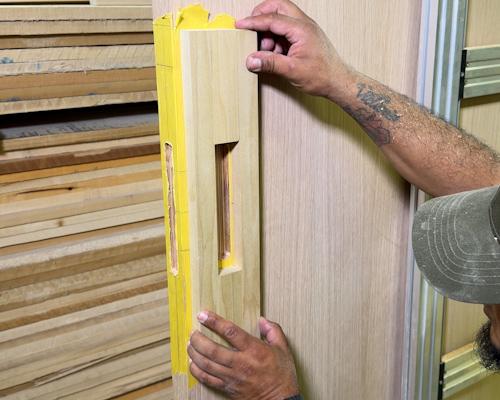
  • Mortise hardware: Requires deep cutting into both the door edge and face
HB620 cutouts
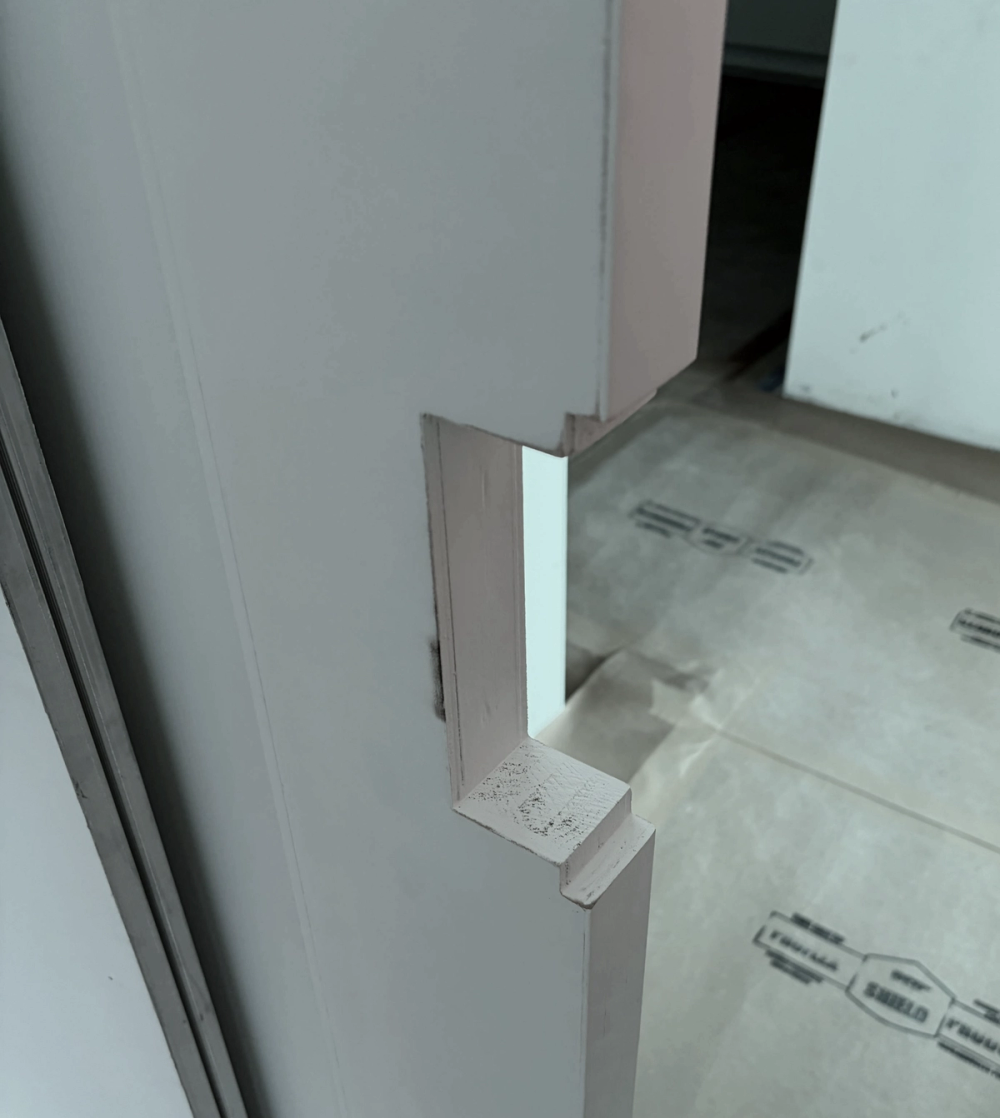
  • Non-mortise hardware: Requires minimal cutting, usually only on the door face
CL400 cutout

This difference is critical for builders working with pre-finished, engineered, or specialty doors, where minimizing modification is preferred.

Which pocket door hardware is easier for modern construction?

For many modern builds, non-mortise pocket door hardware is often preferred because it:

  • Reduces installation time
  • Minimizes door modification
  • Aligns with clean, minimalist design trends
  • Works well with prefabricated door systems
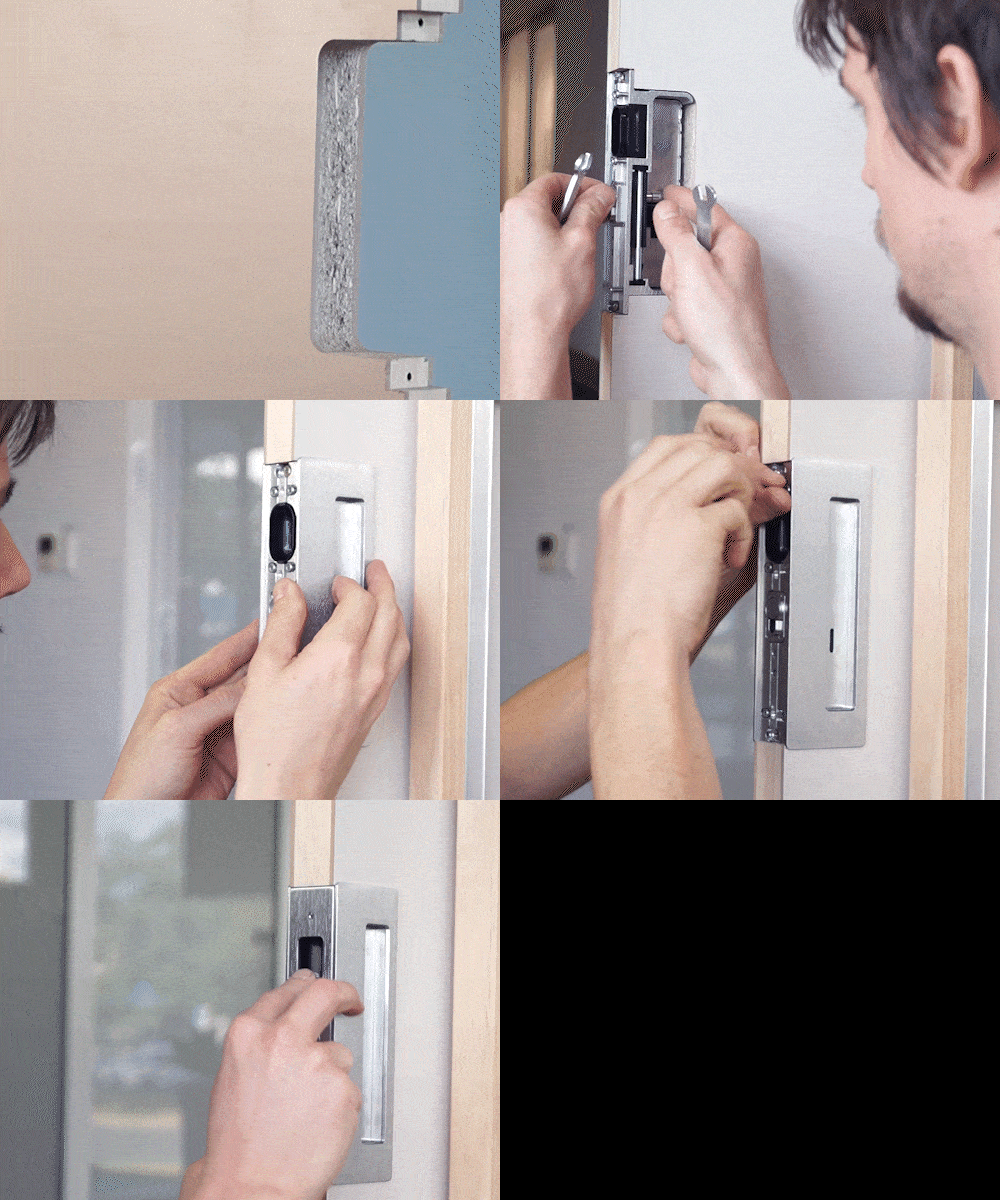
CL400 installation

However, mortise hardware remains the better choice when projects require traditional detailing, mechanical latching, or high-end architectural finishes.

Does mortising weaken the door?

Mortising removes material from the door edge, which:

  • Permanently alters the internal structure
  • Is generally acceptable when done correctly
  • Requires precision to avoid weakening the door

No-mortise systems preserve more of the door core, making them a safer option for lightweight or engineered doors.

How do mortise and no-mortise systems function differently?

HB620 demo

Mortise Systems (Mechanical Latch)

  • Use a traditional latch bolt
  • Provide positive mechanical engagement
  • Operate similarly to standard swinging door locksets

Non-Mortise Systems (Magnetic Operation)

  • Use a magnetic hold-close mechanism
  • No latch bolt extending into the strike
  • Typically quieter with fewer moving parts

The magnetic system is a defining feature of the CL400 and not standard across all non-mortise hardware.

What are the design differences between mortise and no-mortise hardware?

Mortise Hardware Aesthetic

  • More traditional and architectural
  • Hardware feels integrated and substantial
  • Common in luxury residential and boutique commercial projects
HB620

No-Mortise Hardware Aesthetic

  • Minimal and modern appearance
  • Reduced visual impact
  • Supports clean, contemporary interiors
CL400 passage

The visual difference is subtle, but the design intent behind each system is distinct.

Which system is right for me?

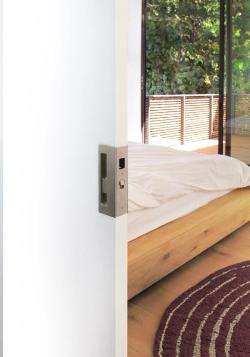
Hero image

The best choice depends on project priorities:

  • For speed, efficiency, and modern construction workflows → non-mortise systems
  • For craftsmanship, traditional function, and detailed design → mortise systems

Both options deliver a flush, space-saving pocket door solution—the difference lies in installation method, mechanical function, and design intent.

Key Takeaway

If you're optimizing for install speed, reduced door prep, and modern design, no-mortise systems offer clear advantages.

If your project demands traditional hardware operation and architectural detailing, mortise systems remain a strong, proven solution.

Understanding this distinction ensures the hardware you specify aligns with build conditions, labor capabilities, and design goals.

Related Articles

Loading Content...
Knowledge Hub

Pocket Door Hardware Explained: Mortise vs. No-mortise Systems

Thank you!

Your submission has been sent.