
Pocket Door Frame Assembly

Is pocket door flexing unavoidable?

Learn how pocket door frame materials affect wall structural integrity, door performance, and long-term durability. Plus, see why extruded aluminum frames outperform wood and steel.

Introduction

After speaking with enough custom home builders, one thing is clear: when it comes to pocket doors, structural integrity matters more than anything else.

Builders want a pocket door frame that stays straight, resists flex, and maintains wall rigidity—without creating drywall issues or long-term callbacks.

Choosing the right pocket door frame material directly impacts wall stiffness, installation speed, drywall finish quality, and long-term performance.

Learn why not all pocket doors are created equal.

Why do pocket doors flex?

wooden pocket frame flexing

Pocket door frame flex typically comes down to material choice and frame engineering. As pocket doors have grown in popularity, driven by architects seeking cleaner lines and homeowners wanting more usable space, the market has filled with prefabricated pocket door frame kits of varying quality. Each brand approaches the design differently, and those differences start with the materials they use.

Frames that lack stiffness or dimensional stability allow movement inside the wall cavity, which leads to:

  • Bowed or soft walls
  • Drywall cracking
  • Door rub and misalignment
  • Poor long-term performance

For custom builders, choosing the right pocket door frame material directly impacts installation speed, finish quality, and long-term durability.

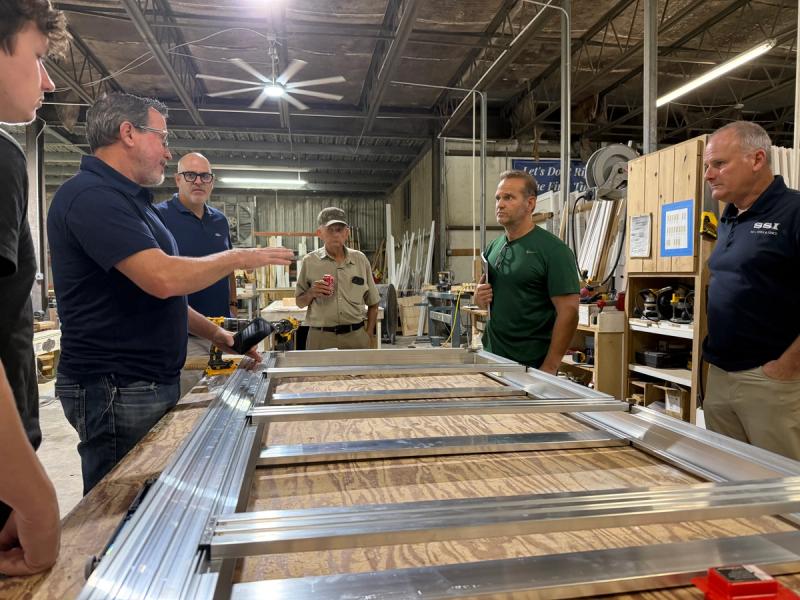
Want to learn pocket frame assembly from the pros?

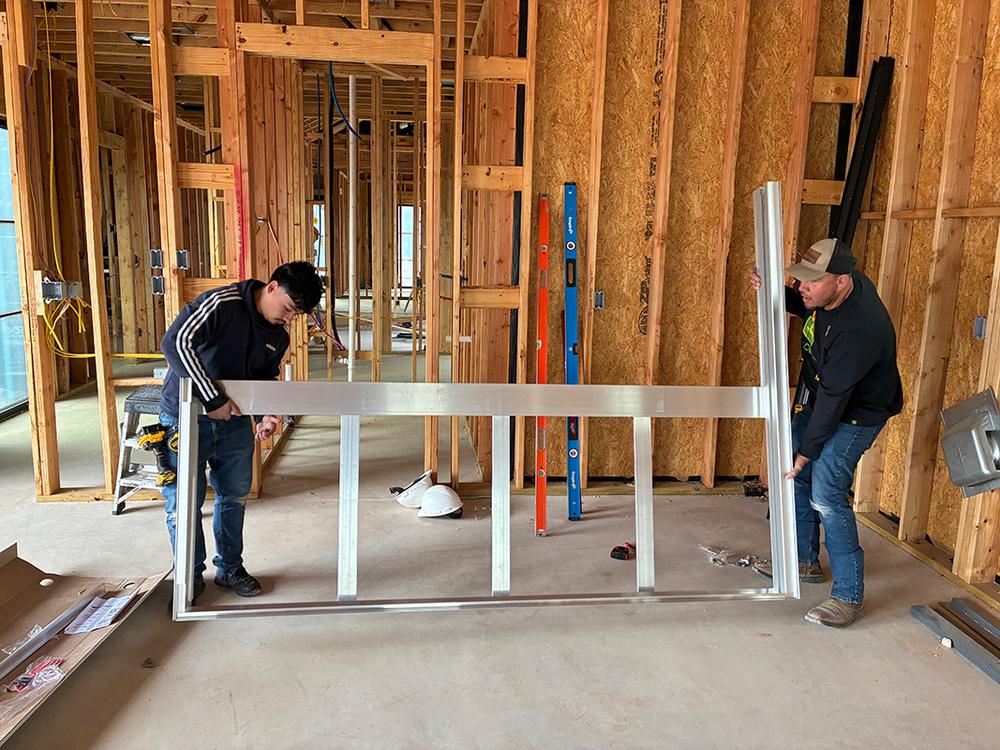
Learn straight from the pocket door experts during a pocket frame live assembly walkthrough at IBS 2026.

Stop by Booth #W6783 to connect with the team and join the live demo.

Fill out the form to get a free IBS 2026 expo pass.

IBS 2026 banner promo

Does material choice matter?

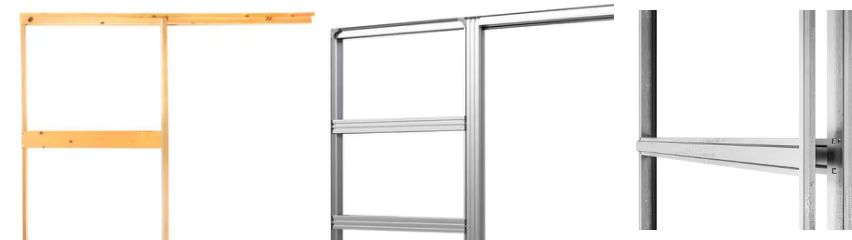
pocket door frame comparison

Most pocket door frames fall into three categories:

  • Wood
  • Cold-rolled steel
  • Extruded aluminum

Each performs very differently inside a wall cavity. Much like the tracks, the type of metal and engineering of the frame makes a huge difference.

Are wood pocket door frames a good choice?

Wood pocket door frames are the most common—and the most problematic.

Traditional wood framing can work for pocket doors, but it comes with major compromises. Wood is prone to movement and swelling with head and moisture. The result is a frame that flexes and warps under even light pressure. Over time, this movement spreads through the wall. 

The reduced structural integrity also increases the risk of bowed-in walls, rubbing doors, and callbacks. Here are some more drawbacks below:

  • Common method of framing
  • Prone to warping
  • Vulnerable to termites
  • High flex at the cavity

In many builds, wood pocket door framing becomes the weakest link in an otherwise solid wall assembly, leading to avoidable callbacks.
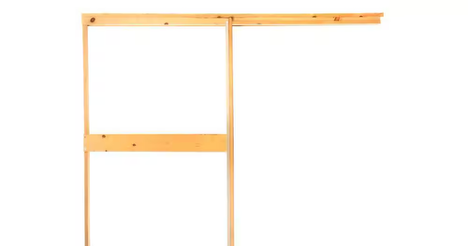
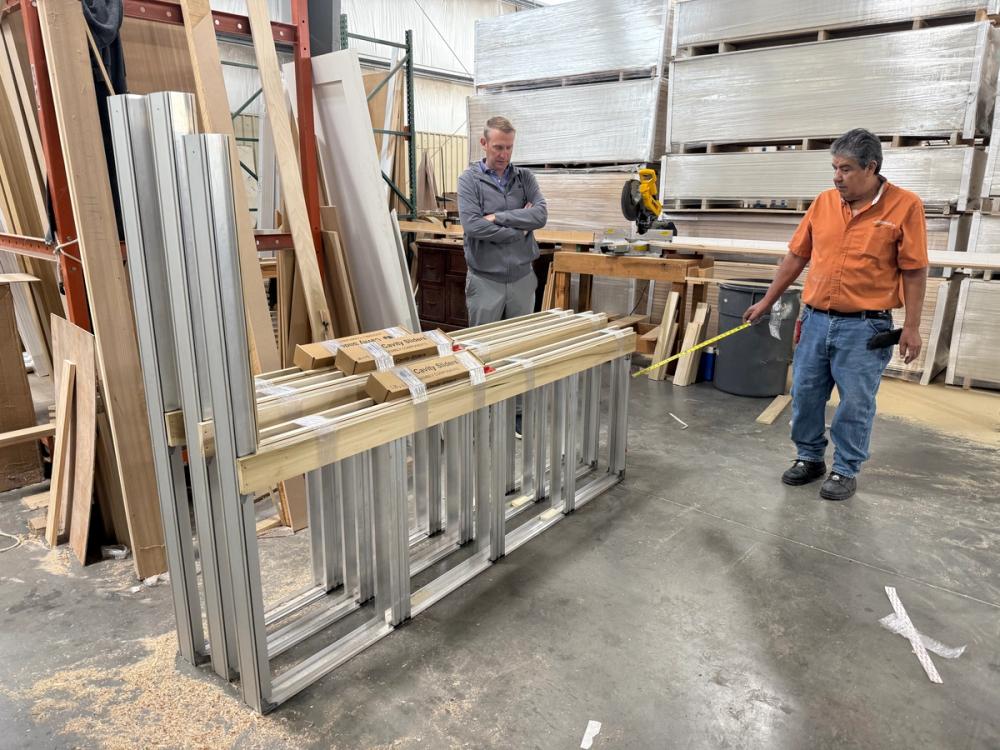
wood pocket door frame

Are metal pocket door frames better than wood?

Generally, yes—but not all metal frames perform the same.

Metal pocket door frames are typically made from either cold-rolled steel or extruded aluminum, and the difference matters.

Cold-Rolled Steel vs. Extruded Aluminum Pocket Door Frames

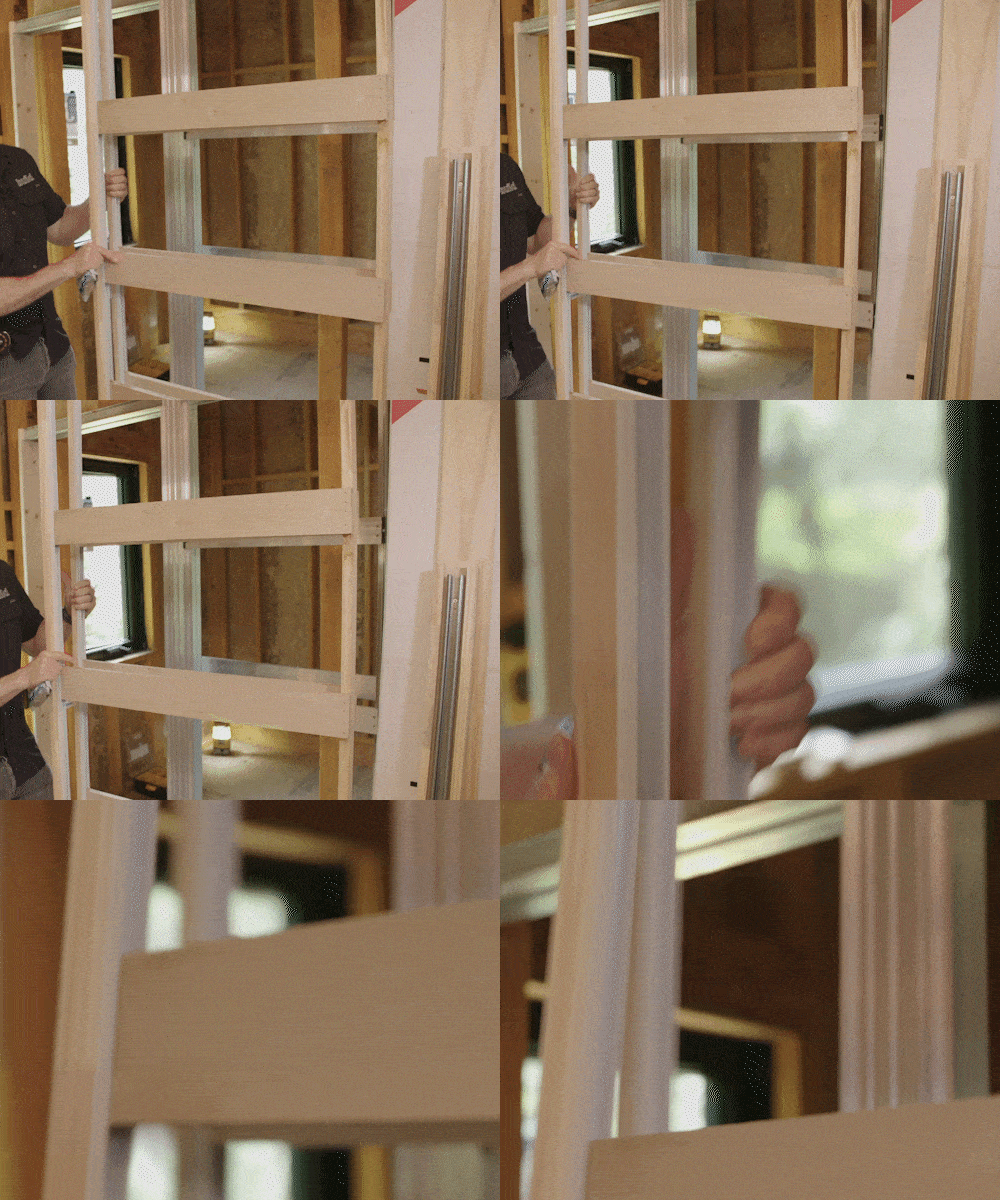
pocket frame installation

For wall framing specifically, it’s not as simple as “steel is stronger, so it must be better.” In many framing applications, extruded aluminum is absolutely the better choice, depending on the design goals.

Are cold-rolled steel pocket door frames better?

Pros:

  • Decent stiffness per linear inch
  • Familiar material for framing

Cons:

  • Heavy and harder to handle on site
  • Loose tolerances from rolling processes
  • Steel has “memory,” which can cause movement over time
  • More difficult to fasten drywall through
  • Prone to corrosion if not properly treated
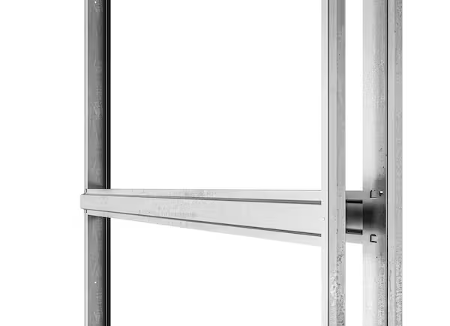
cold rolled steel pocket frame

Are extruded aluminum pocket door frames better?

Pros:

  • Lightweight and faster to install
  • Naturally corrosion-resistant
  • Tight manufacturing tolerances
  • Can be engineered with ribs, chambers, and reinforced sections
  • Excellent drywall fastening characteristics
  • Ideal for integrated tracks, stiffening ribs, and hardware channels
  • Outstanding dimensional stability at the cavity

Key Advantage:
Extruded aluminum can be engineered for stiffness exactly where it’s needed, rather than relying on raw material thickness alone.

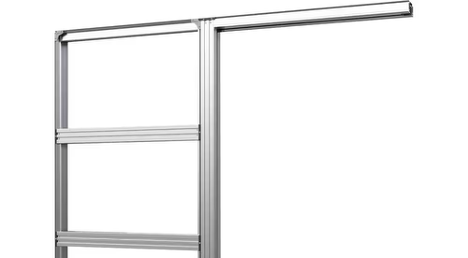
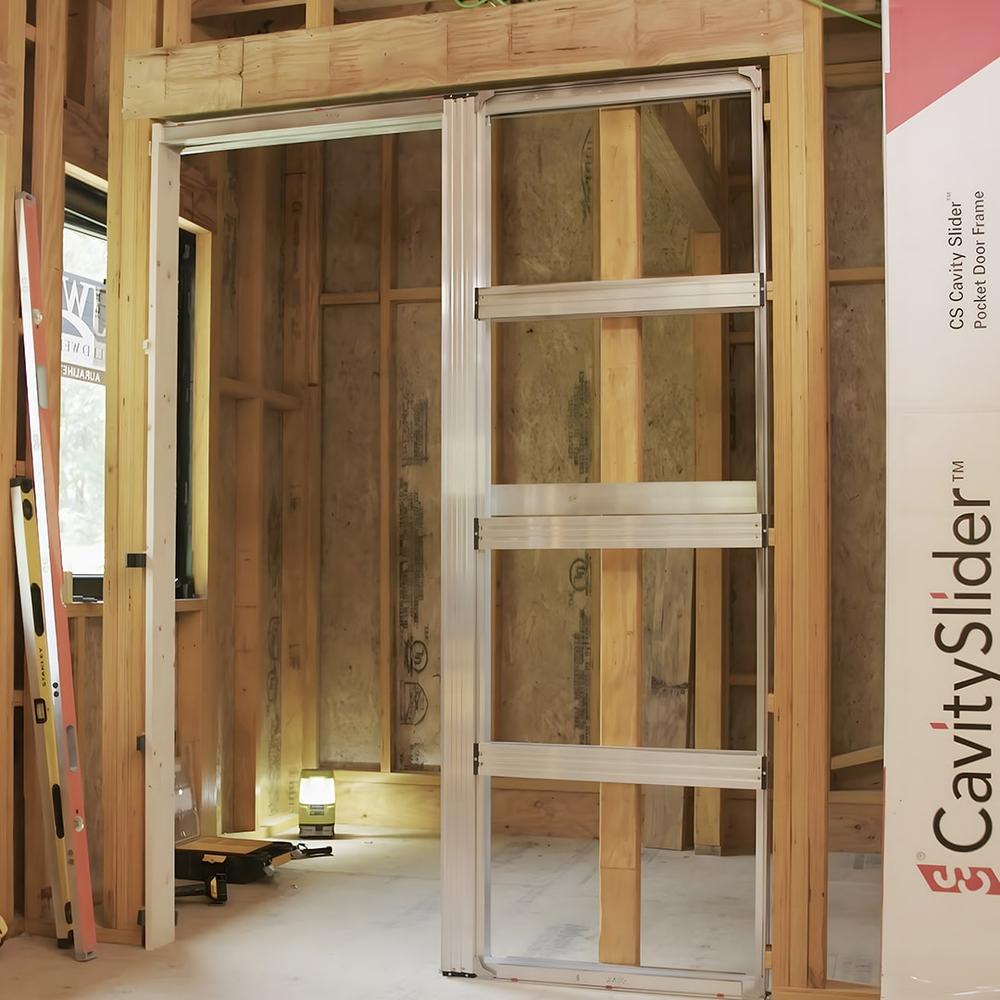
CS Cavity Sliders pocket door frame

Is aluminum strong enough for pocket door framing?

Yes—when properly engineered, extruded aluminum can outperform steel in pocket door systems.

While steel has higher raw stiffness, aluminum extrusions allow:

  • Precise profile design
  • Integrated reinforcement
  • Reduced flex over short spans
  • Better squareness and alignment

This is especially critical in pocket door frames, where:

  • Wall rigidity matters
  • Cavity space is limited
  • Smooth door operation is essential
  • Integrated tracks and hardware are required
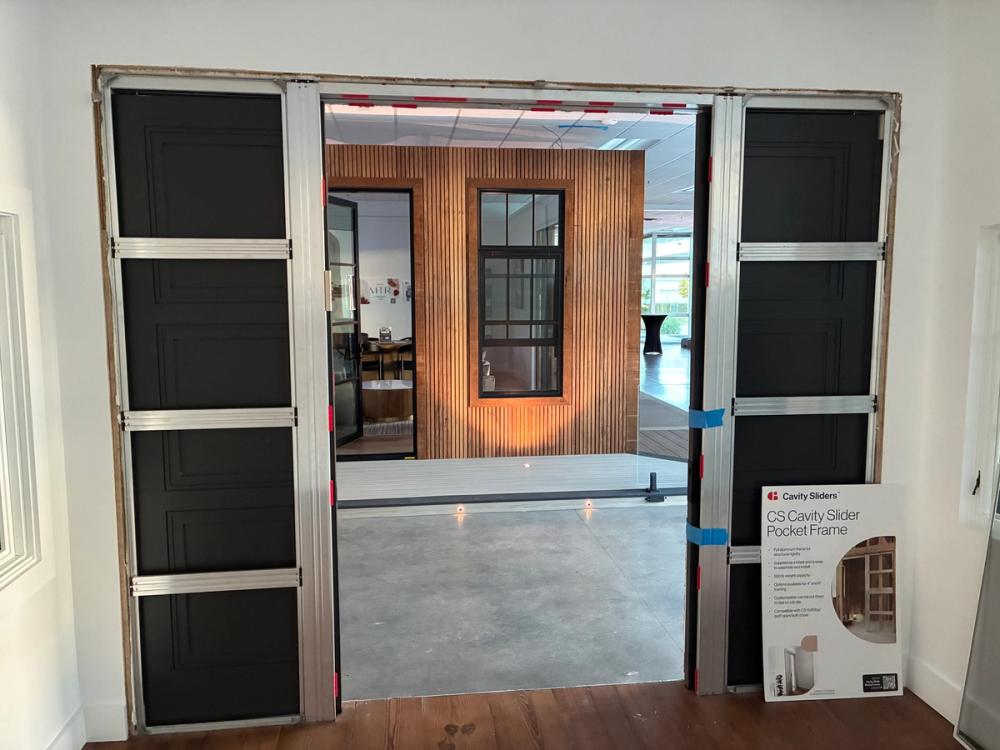
cs cavity sliders pocket door frame

Which pocket door frame material is the best?

pocket frame installation

If you design the extrusion properly, aluminum will outperform steel in a pocket door system, especially when:

  • Cavity space matters
  • Structural integrity matters
  • Squareness matters
  • You have integrated features (tracks, stiffening ribs, hardware pockets)
  • You need precise machining and smooth operation (like pocket door frames and tracks)

Our Recommendation

For builders and architects focused on design, performance, speed, and finish quality, extruded aluminum pocket door frames offer clear advantages:

  • Faster installation
  • Cleaner drywall results
  • Reduced wall flex
  • Improved long-term reliability
  • Fewer callbacks

This is why many advanced pocket door systems choose extruded aluminum over wood or cold-rolled steel—not because it’s lighter, but because it can be engineered to be stronger where it counts.

See why the CS Cavity Slider Pocket Door Frame is the preferred choice among builders and architects. Made from aluminum extrusions, it meets Type 1 construction code without any combustible materials. Perfect for residential and commercial projects, this versatile frame is ideal for maximizing space efficiency.

CS Cavity Sliders pocket door frame

Related Articles

Loading Content...
Knowledge Hub

Do All Pocket Doors Flex?

Thank you!

Your submission has been sent.